
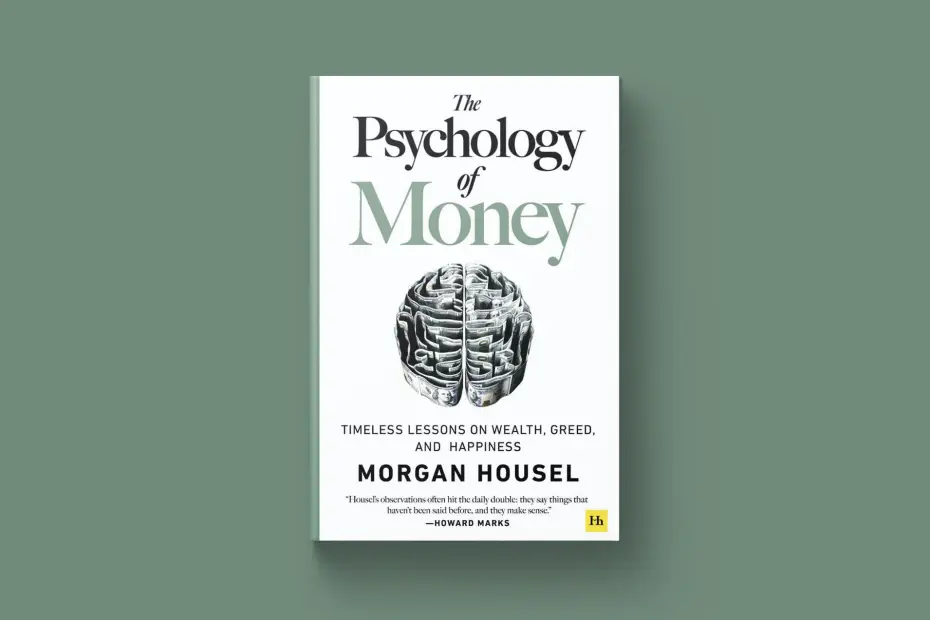
Introduction to The Psychology of Money
The concept of money is often seen as purely mathematical—earn more, save more, invest wisely. However, the reality is far more complex. In The Psychology of Money, Morgan Housel explores how emotions, personal experiences, and human behavior play a crucial role in financial decisions. This perspective reshapes how we think about wealth, success, and financial security.
What is The Psychology of Money About?
A Behavioral Approach to Finance
Unlike traditional finance books that focus on formulas and strategies, The Psychology of Money emphasizes that financial success is less about intelligence and more about behavior. People with average knowledge can build wealth if they manage their emotions well, while highly intelligent individuals can fail due to poor financial habits.
Key Idea: Everyone Has a Unique Money Story
Each person’s financial decisions are shaped by their upbringing, environment, and experiences. Two individuals can see the same opportunity and make completely different choices—and both may feel justified.
The Psychology of Money Book: Core Lessons
1. Wealth is What You Don’t See
Most people associate wealth with visible luxury—cars, houses, and gadgets. However, true wealth lies in savings and investments that are not immediately visible.
- Spending money shows status
- Saving money builds freedom
2. Luck and Risk Play Bigger Roles Than We Think
Success is not solely the result of hard work; luck and timing matter significantly. Similarly, failures are not always due to poor decisions. Recognizing this helps build humility and reduces harsh judgment of others.
3. The Power of Compounding
Compounding is one of the most powerful forces in finance. Even small, consistent investments over time can grow into substantial wealth. Patience is key—wealth-building is a long-term process.
4. Emotional Control is More Important Than Intelligence
Financial success depends more on discipline than knowledge. Avoiding panic during market downturns and resisting impulsive decisions are essential skills.
The Psychology of Money by Morgan Housel: Key Themes
Long-Term Thinking Wins
Housel stresses that thinking long-term is one of the most effective financial strategies. Short-term market fluctuations should not distract from long-term goals.
Financial Independence Over Status
True success is not about impressing others but about having control over your time and decisions. Financial independence provides freedom, which is more valuable than social validation.
Simplicity is Powerful
Complicated strategies often fail because they are difficult to maintain. Simple habits like saving regularly, avoiding debt, and investing consistently are more effective.
Why The Psychology of Money Matters Today
Changing Financial Landscapes
In today’s world of easy credit, social media influence, and volatile markets, understanding behavior is more important than ever. People are constantly exposed to comparisons and pressure to spend.
Relevance for All Income Levels
The lessons from The Psychology of Money apply to everyone, regardless of income. Whether you earn a little or a lot, your habits and mindset determine your financial future.
Practical Takeaways You Can Apply
Build Better Money Habits
- Save before you spend
- Avoid lifestyle inflation
- Focus on long-term goals
Think Independently
Do not blindly follow trends or others’ financial choices. What works for someone else may not work for you.
Value Time Over Money
Money is a tool to gain control over your time. Use it to create a life of flexibility and purpose.
Conclusion
The Psychology of Money by Morgan Housel offers a refreshing perspective on personal finance. It teaches that mastering money is less about numbers and more about behavior, patience, and mindset. By understanding the psychology behind financial decisions, anyone can improve their relationship with money and build lasting wealth.